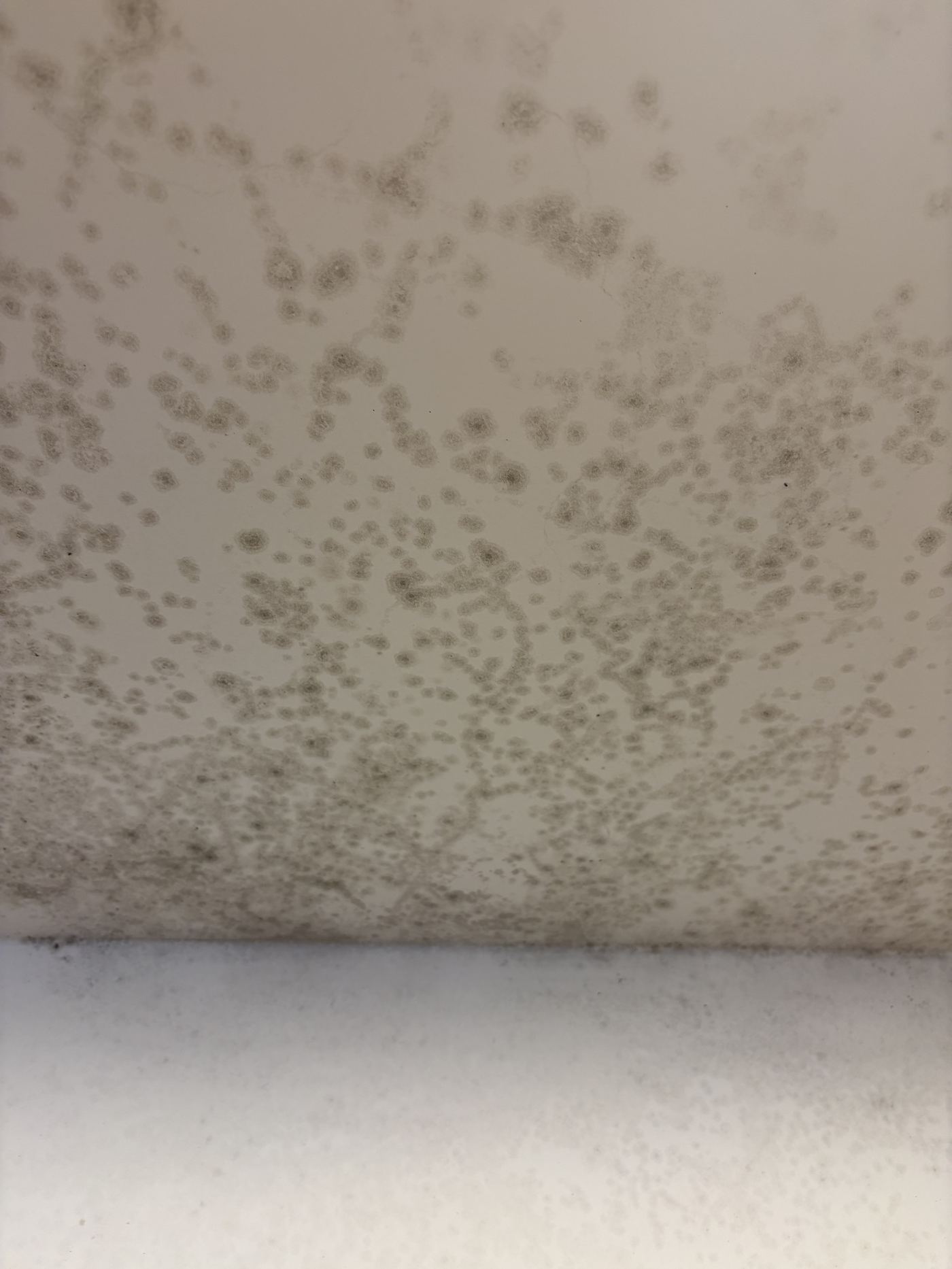
Understand what is causing mold, damp or excess moisture in your property. Our independent inspections investigate the source and provide a written report with clear recommendations, so you can make informed decisions before spending on repairs.
€695 including VAT · English-speaking support · No payment required to enquire
 a remodel Portugal company
Traces the source, not just the symptom
Spots hidden damp before it's visible
English and Portuguese, every time
Certified with the Ordem dos Engenheiros
Mainland Portugal, specialists travel to every property
Transparent pricing, published up front. Moisture mapping, humidity readings, and testing to confirm the actual cause, not a guess.
€695
Visual survey, moisture and humidity readings, moisture mapping, on-site species testing and a written cause report, delivered by a vetted specialist. Price includes VAT.
Request an Inspection →Around 70% of Portugal's housing stock was built before 1990, before mechanical ventilation was standard practice (INE). Meanwhile, average relative humidity runs near 77% in Porto through winter, and regularly exceeds 70% across the Lisbon region.
The result: cold masonry walls, limited airflow, and condensation that has nowhere to go.
Mold isn't bad luck. It's the predictable outcome of older buildings meeting a humid climate, which is why diagnosing the actual cause matters more than guessing from how it looks.
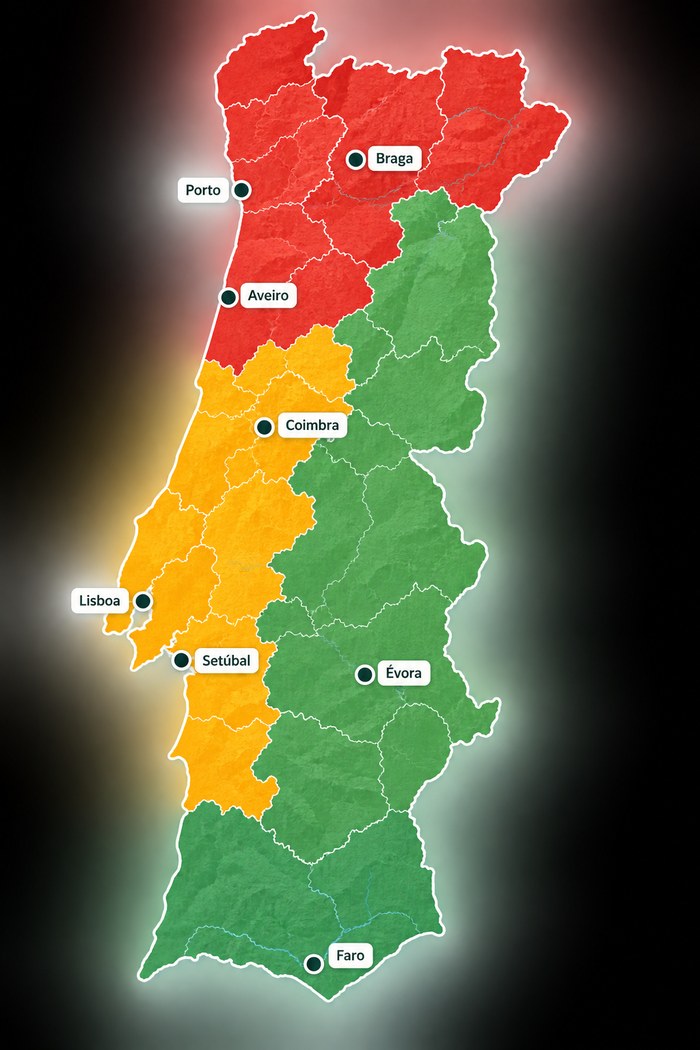
Learn more about why mold is so common in Portugal →mold.pt inspects properties across mainland Portugal. These are the nine areas we see the most, each with its own climate and building-stock context.
~77% average winter humidity (IPMA), rising damp risk in Ribeira and Miragaia granite construction.
View Porto coverage → Elevated RiskCondensation is the main risk here; older concrete-frame buildings conduct outdoor cold straight through uninsulated structural points.
View Cascais coverage → Moderate RiskRising damp in the historic centre, condensation in mid-century apartment blocks.
View Lisboa coverage → 16 MunicipalitiesFull coverage across Lisboa, Cascais, Oeiras, Sintra, and the rest of the region.
View Lisbon Metro Area coverage → Higher RiskMinho region, mainland Portugal's highest-rainfall area, older stone and masonry housing.
View Braga coverage → Higher RiskRia de Aveiro lagoon keeps ambient humidity elevated across much of the city.
View Aveiro coverage → Moderate RiskSado estuary geography, condensation risk in older city-centre and riverside buildings.
View Setúbal coverage → Higher RiskAmong mainland Portugal's highest rainfall totals, granite riverside buildings near the Lima estuary.
View Viana do Castelo coverage → Higher RiskHigh-rainfall Minho climate, narrow historic streets slow how fast granite walls dry out.
View Guimarães coverage → Moderate RiskMondego riverside humidity, one of Portugal's oldest and densest historic housing stocks.
View Coimbra coverage →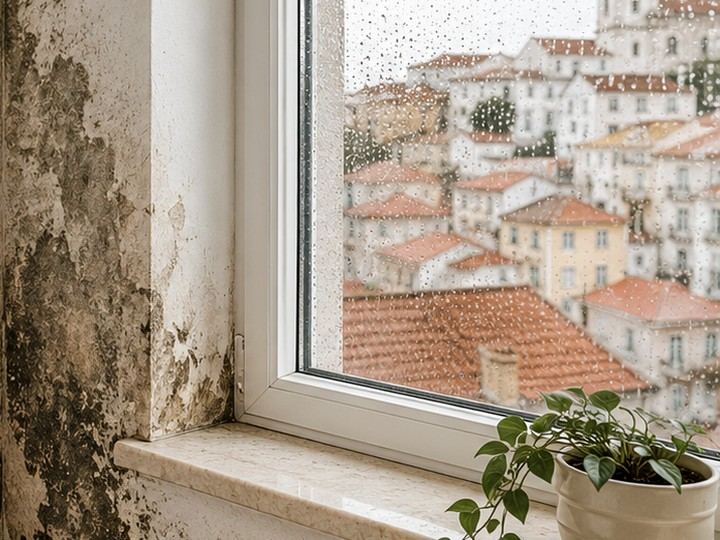 Pillar Guide
Causes, regional risk, and costs, plus how to diagnose the actual source.
Read the guide →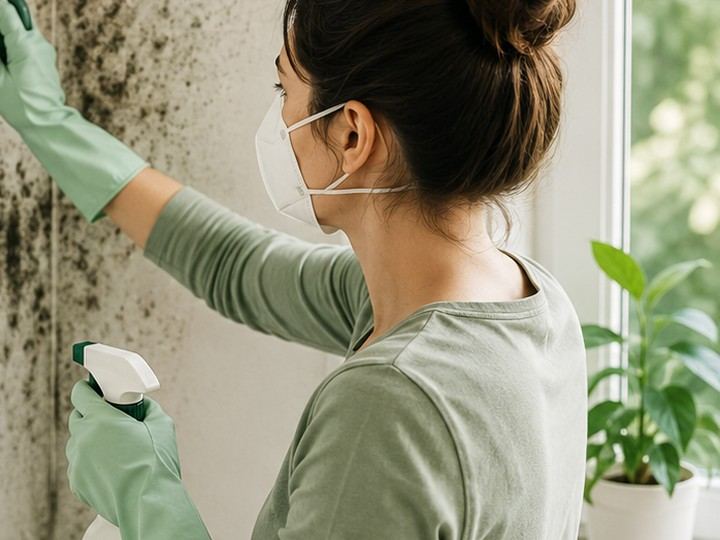 Pillar Guide
Why bleach and repainting don't work, and the process that actually removes it at the source.
Read the guide → Health
What DGS guidance actually links to poor indoor air quality, and what it doesn't claim.
Read the guide →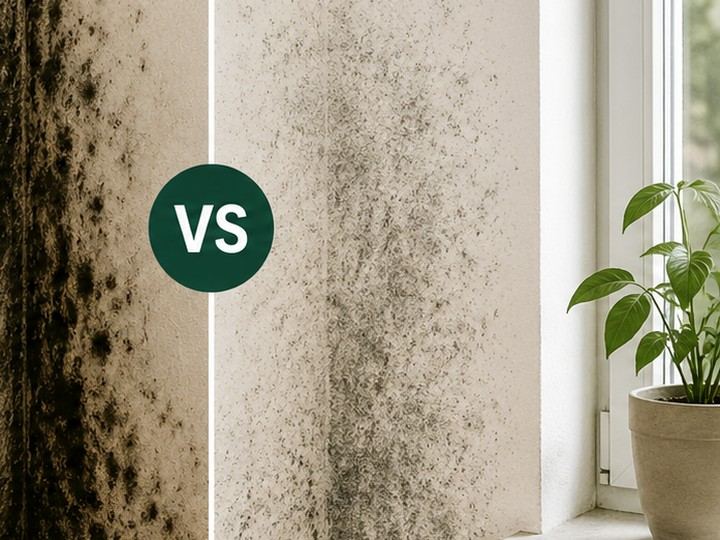 Diagnosis
Three home tests that tell you whether it's a cleaning job or a diagnostic job.
Read the guide → Buyer Due Diligence
Eight checks to run during a viewing before you make an offer on an older Lisbon apartment.
Read the guide → Regulation & Law
What Portuguese rental law actually requires a landlord to do, and the 30-day clock that starts it.
Read the guide →